
Why Waterproofing Fails: 7 Hidden Reasons Behind Leaking Bathrooms
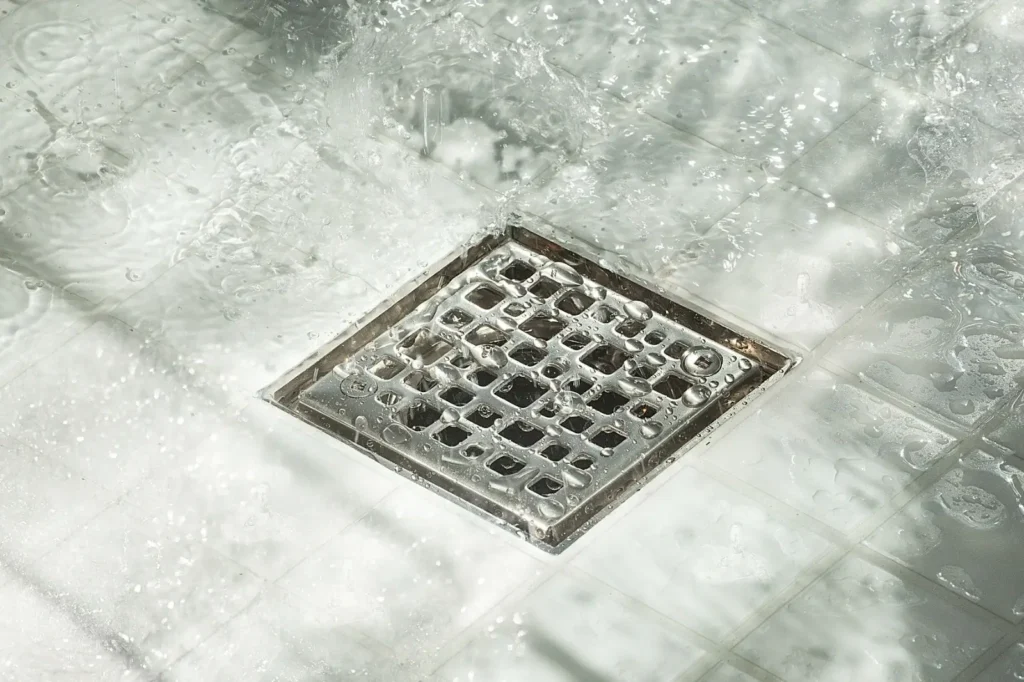
A leaking bathroom is one of the most frustrating and expensive problems homeowners face. What often begins as a small damp patch on a wall or ceiling can eventually lead to mold growth, peeling paint, damaged flooring, weakened structural elements, and costly repairs.
Many people assume that bathroom leaks occur because waterproofing products are of poor quality. In reality, waterproofing failures are rarely caused by the waterproofing material itself. Most leaks result from installation errors, poor planning, inadequate detailing, or overlooked construction practices. Industry experts consistently note that waterproofing is a complete system involving surface preparation, drainage, membranes, penetrations, and testing—not just a single product applied beneath tiles.
The challenge is that these failures remain hidden beneath tiles and flooring. By the time visible signs appear, water may have been causing damage for months.
Let’s explore the seven hidden reasons why bathroom waterproofing fails and how modern shower systems can help prevent these costly mistakes.
1. Poor Surface Preparation Before Waterproofing
The most common cause of waterproofing failure occurs before the waterproofing membrane is even applied.
For a waterproofing system to work effectively, the substrate must be clean, dry, stable, and free from dust, oil, grease, loose particles, and cracks. When waterproofing is applied over a poorly prepared surface, the membrane cannot bond properly and may eventually separate from the substrate.
Common preparation mistakes include:
- Applying waterproofing over dusty concrete
- Ignoring surface cracks
- Skipping primer applications
- Waterproofing damp or contaminated surfaces
- Failing to level uneven areas
Even a small section where the membrane loses adhesion can create a pathway for water infiltration.
Prevention
- Thoroughly clean all surfaces before application.
- Repair cracks and imperfections.
- Follow manufacturer recommendations for primers and curing times.
- Ensure surfaces are dry and structurally sound.
2. Improper Floor Slope and Drainage
Many bathroom leaks begin because water is not directed efficiently toward the drain.
A properly designed shower floor should have a consistent slope that allows water to flow quickly into the drainage system. When the slope is insufficient or incorrectly constructed, water begins to pond on the surface. Over time, standing water increases the likelihood of moisture penetration through grout lines and vulnerable joints.
Signs of poor drainage include:
- Water pooling after showers
- Persistent damp spots
- Mold growth in corners
- Stained grout lines
Traditional site-built shower floors often rely heavily on installer skill. Any error during screed formation can compromise drainage performance.
Prevention
Modern pre-sloped shower trays eliminate much of the guesswork by providing factory-engineered slopes designed to guide water efficiently toward the drain.
3. Unsealed Pipe Penetrations and Drain Connections
Every pipe, shower valve, drain, or plumbing fixture that passes through a waterproofed surface creates a potential weak point.
While a waterproof membrane may cover most of the bathroom floor and walls, it must be carefully sealed around all penetrations. Even tiny gaps around pipes can allow water to bypass the waterproofing layer entirely. Experts consistently identify drain connections and pipe penetrations as some of the most common leak locations in bathrooms.
High-risk areas include:
- Shower drains
- Floor drains
- Water supply pipes
- Mixer valve penetrations
- Shower niches
Prevention
- Use waterproof collars and sealing sleeves.
- Properly integrate drains with the waterproofing membrane.
- Install prefabricated waterproofing accessories designed specifically for penetrations.
4. Waterproofing Walls Inadequately
Many contractors focus heavily on waterproofing floors while giving less attention to walls.
However, shower walls are exposed to direct water spray every day. When waterproofing membranes are not extended high enough on walls, moisture can penetrate behind tiles and migrate into adjacent rooms. This often results in paint damage, mold growth, and damp patches appearing far from the actual source of the leak.
Common symptoms include:
- Bubbling paint outside the bathroom
- Damp walls behind closets
- Persistent mold growth
- Musty odors
Prevention
Waterproofing should extend throughout the shower enclosure and wet areas according to local building requirements and manufacturer guidelines.
5. Failure at Corners and Wall-to-Floor Junctions
Corners are among the most vulnerable areas in any waterproofing system.
The point where walls meet floors experiences movement caused by temperature fluctuations, structural settlement, and normal building expansion and contraction. Rigid waterproofing systems often crack at these junctions if they are not properly reinforced.
Unfortunately, these failures are usually hidden beneath tile finishes and remain unnoticed until significant damage occurs.
Prevention
Effective waterproofing systems use:
- Flexible corner reinforcement tapes
- Cove fillets
- Movement-resistant membranes
- Properly detailed transition zones
Modern waterproofing kits often include preformed corners that help eliminate installation errors.
6. Damage During Construction
Even a perfectly installed waterproofing membrane can fail if it becomes damaged before the project is completed.
After waterproofing is applied, numerous trades may continue working in the space. Tile installers, plumbers, electricians, and general contractors may accidentally puncture or damage the membrane during construction. A single puncture can become a hidden leak source that may not be discovered until months later.
Common causes of membrane damage include:
- Dropped tools
- Heavy foot traffic
- Improper drilling
- Sharp construction materials
- Premature loading before curing
Prevention
- Protect waterproofed surfaces immediately after installation.
- Restrict access until membranes fully cure.
- Conduct inspections before tile installation begins.
7. Skipping Flood Testing
One of the biggest mistakes in bathroom construction is failing to perform a flood test before installing tiles.
A flood test involves temporarily filling the shower base or waterproofed area with water and monitoring it for leakage over a specified period. This process allows contractors to identify defects while repairs remain simple and inexpensive. Experts frequently cite skipped flood testing as a major contributor to waterproofing failures that only become visible after project completion.
Without testing:
- Hidden defects remain undiscovered.
- Drain connections cannot be verified.
- Waterproofing continuity is assumed rather than proven.
Prevention
Always perform a documented flood test before tiling. Correcting a problem at this stage is dramatically easier than removing finished tiles after occupancy.
The Role of Complete Shower Systems
Traditional bathroom construction often involves sourcing multiple products from different manufacturers. Membranes, drains, trays, niches, and accessories may not be designed to work together, increasing the likelihood of compatibility issues and installation mistakes.
This is why many contractors and builders are increasingly adopting complete shower systems. Integrated solutions combine waterproofing membranes, shower trays, drains, niches, and accessories into a single engineered system where every component is designed to work together.
For homeowners, this means:
- Faster installation
- Reduced risk of leaks
- Consistent performance
- Improved long-term durability
- Greater peace of mind
Companies like AlinO specialize in complete shower solutions that help simplify waterproofing while supporting modern bathroom construction practices.
Conclusion
Bathroom leaks rarely result from a single catastrophic failure. Instead, they typically result from small mistakes hidden beneath finished surfaces. Poor surface preparation, inadequate drainage, unsealed penetrations, weak corner detailing, damaged membranes, insufficient wall waterproofing, and skipped flood testing are among the leading causes of waterproofing failure.
The good news is that virtually all of these problems are preventable. By using quality materials, following proper installation procedures, and investing in complete waterproofing systems, homeowners and contractors can dramatically reduce the risk of future leaks.
A successful bathroom isn’t defined by the tiles you see—it’s defined by the waterproofing system you never have to think about again.