
Why Does Water Pool on Your Shower Floor Even When You Have a Drain?
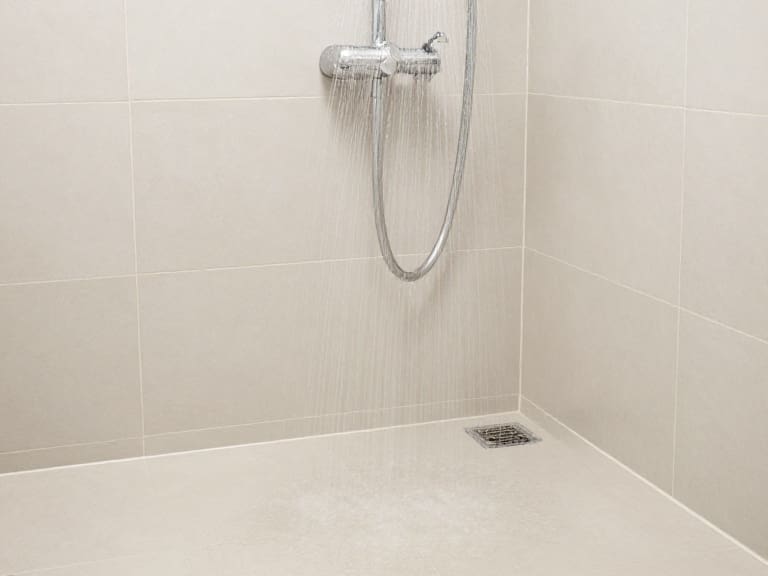
A shower drain is supposed to do one simple job: carry water away before it rises around your ankles. So when water pools despite a drain being present, it can feel confusing—and frustrating. The drain is there, the water is flowing, yet the floor stays wet.
The truth is that a drain is only one part of a larger system. Water pooling usually means that something is interfering with the flow of water toward the drain, through the drain, or into the plumbing below. Sometimes the cause is minor, such as hair around the drain cover. Other times, it points to a poorly built shower floor, a partially blocked pipe, or a waterproofing problem that needs professional attention.
This article explains the most common reasons water pools in a shower, how to diagnose the cause, and what you can do to fix it before it leads to mold, odors, or water damage.
A Clogged or Slow Drain
The most common cause of pooling water is a clogged or partially blocked drain. Hair, soap scum, body oils, dirt, and hard-water minerals gradually collect inside the drain opening, trap, or pipe. Even when water can still pass through, a partial clog can slow drainage enough for water to accumulate during a shower.
You may notice these warning signs:
- Water rises around your feet within the first few minutes of showering.
- The drain gurgles or drains slowly after you turn off the water.
- There is a musty or unpleasant odor near the drain.
- Hair or slimy soap residue is visible around the drain cover.
- The puddle remains long after the shower has ended.
Hair is especially problematic because it tangles easily and traps soap residue. Soap scum then sticks to pipe walls, narrowing the passage available for water. In homes with hard water, mineral deposits can make the buildup worse over time.
How to Check It?
Remove the drain cover and inspect the opening. If you see hair or debris, remove it with gloves, tweezers, or a drain-cleaning tool. Then run water and watch how quickly it disappears. A plunger or drain snake can help with clogs deeper in the pipe. Avoid relying heavily on harsh chemical drain cleaners, since repeated use can damage older pipes and fittings.
If the water still drains slowly after clearing the visible area, the blockage may be farther down the branch line or in the main drain. That is usually a job for a plumber.
Poor Shower Floor Slope
A drain cannot help if water never reaches it. Shower floors are designed with a slight slope—often about one-quarter inch per foot—so gravity directs water toward the drain. If the floor is flat, uneven, or sloped in the wrong direction, water will collect in low spots even if the drain itself is completely clear.
This problem is especially likely if:
- The puddle always forms in the same place.
- Water flows toward a wall or corner instead of the drain.
- The issue has existed since the shower was installed.
- You recently renovated the bathroom or changed the shower base.
- The drain appears clear, but water still sits on the tile.
A shower floor may look level to the eye while still having subtle low points. Tile, grout, and mortar can also shift slightly over time, creating depressions where water gathers. In poorly built showers, the drain flange may sit slightly higher than the surrounding tile, making it physically difficult for water to enter the drain.
Why It Matters?
This is more than an inconvenience. Water that repeatedly sits on grout can seep into porous grout lines and eventually reach the waterproofing layer beneath the tile. If that layer has even a small flaw, moisture can reach the subfloor, leading to rot, mold, loose tiles, and costly repairs.
Fixing a slope problem usually requires more than adding caulk or cleaning the drain. A contractor may need to remove tile, rebuild the mortar bed, correct the waterproofing, and reinstall the shower floor at the proper pitch.
Drain Position and Shower Design
Sometimes the drain is functional, but it is in the wrong place for the shower’s layout. A center drain in a large shower, for example, may require the floor to slope from four sides toward one point. If that slope is not built correctly, water can pool between the drain and the walls.
Linear drains—long, narrow drains often placed along one edge of a shower—can make drainage easier in larger showers because they require a single slope rather than a four-way pitch. However, they still need proper installation and adequate capacity.
Drain placement can also become a problem after a remodel. If the shower has been enlarged, the drain may now be too small or too far from the areas where most water lands. In that case, water may drain eventually, but not quickly enough to prevent pooling during use.
The Drain Is Too Small for the Water Flow
Modern rainfall showerheads and multi-function shower systems can release a large volume of water quickly. If the drain, trap, or branch pipe cannot handle that flow rate, water will temporarily pool even without a clog.
This is more common in older homes, where the plumbing may have been designed for lower-flow fixtures. It can also happen when someone upgrades to a high-flow showerhead without considering the drainage system.
Signs that flow rate may be the issue include:
- Water pools mainly while the shower is running.
- The puddle drains quickly once you turn the water off.
- The drain is clear and the floor slope looks reasonable.
- The problem began after installing a new showerhead or increasing water pressure.
The solution may be as simple as using a lower-flow showerhead. In other cases, a plumber may need to evaluate whether the drain size, trap, or pipe layout is adequate.
Blocked Weep Holes or Hidden Drainage Problems
Many tiled showers have weep holes in the drain assembly. These small openings allow water that seeps through the grout and mortar to drain rather than become trapped beneath the shower floor. If those holes become blocked by mortar, debris, or deterioration, water can build up below the tile and eventually rise back to the surface.
This type of pooling can be misleading because the surface drain may seem clear. The problem is not the visible opening, but the drainage path underneath the shower floor.
Warning signs include:
- Water appears even after the drain has been cleaned.
- The floor feels damp long after showering.
- Grout is dark, crumbling, or discolored.
- Tiles feel loose or hollow.
- There is a persistent musty smell.
These symptoms suggest that water is being trapped within the shower assembly. A professional should inspect the waterproofing and drain assembly before the moisture causes structural damage.
Leaks From Seals, Grout, or Plumbing
Not all pooling water comes from shower water that failed to drain. Sometimes water is entering the shower floor from another source.
A worn shower door sweep, damaged enclosure seal, cracked grout, missing caulk, or loose tile can allow water to escape the shower area and collect on the bathroom floor. A leaking shower valve, showerhead connection, or pipe behind the wall can also create water where you do not expect it.
Pay attention to when the water appears:
- During showers only: Likely related to drainage, splash-out, or enclosure seals.
- After showers: Could be trapped water, slow drainage, or seepage through grout.
- Even when nobody has showered: May indicate a plumbing leak or water migrating from another fixture.
If water appears without a shower being used, do not ignore it. Turn off the water supply if necessary and contact a plumber promptly.
How to Diagnose the Cause?
Start with the simplest explanation before assuming the shower floor needs to be rebuilt.
- Remove and clean the drain cover. Clear hair, soap, and visible debris.
- Run water at moderate pressure. Watch whether it drains steadily or backs up.
- Turn off the water and observe. If the puddle drains slowly, suspect a partial clog.
- Check the puddle location. If it always forms in one low area, suspect floor slope or drain placement.
- Inspect grout, caulk, and door seals. Look for cracks, gaps, discoloration, or soft spots.
- Test with a level. A slight slope toward the drain should be visible; a flat or reverse-sloped section is a red flag.
- Call a professional if symptoms persist. Persistent pooling, odors, soft flooring, or water outside the shower may indicate hidden waterproofing or plumbing problems.
When to Call a Plumber or Tiler?
Some issues are suitable for DIY maintenance, but others need expert help. Contact a plumber if water backs up quickly, multiple fixtures drain slowly, or you suspect a blockage in the main line. Contact a qualified tile or waterproofing contractor if the shower floor is uneven, the drain sits above the tile, grout is deteriorating, or water appears beneath or around the shower.
You should also seek professional help if you notice:
- Water pooling that does not improve after cleaning the drain.
- A spongy or soft shower floor.
- Loose, cracked, or hollow-sounding tiles.
- Mold or persistent musty odors.
- Water stains on a ceiling below the bathroom.
- Water appearing on the floor when the shower has not been used.
Preventing Future Pooling
Prevention is easier than repair. Clean the drain cover regularly and remove hair before it travels deeper into the pipe. Use a drain screen if your shower does not already have one. Avoid pouring grease, excessive soap, or harsh chemicals down the drain. Periodically flush the drain with hot water to help reduce soap and mineral buildup.
Inspect grout and caulk every few months. Repair small cracks early, and replace worn door sweeps before water begins escaping the enclosure. If you are renovating a shower, make sure the installer builds the floor with the correct slope, properly positions the drain, and uses a continuous waterproofing system.
Final Thoughts
Water pooling on a shower floor does not necessarily mean the drain is broken. More often, it means water is being slowed, misdirected, or trapped somewhere in the system. A clog is the easiest cause to check first, but poor floor slope, inadequate drain capacity, blocked weep holes, damaged seals, and hidden leaks can all produce the same frustrating result.
The key is to act early. Standing water is uncomfortable, unhygienic, and can damage grout, waterproofing, subfloors, and even ceilings below the bathroom. By identifying whether the problem lies at the drain, on the floor, or beneath the tile, you can choose the right fix—and keep your shower draining the way it should.
Stay Connected with AlinO! 💧
Want more expert tips on waterproofing, smart construction solutions, and protecting your spaces from water damage? Follow AlinO on Instagram and Facebook for the latest product updates, practical advice, and innovative ideas to keep your spaces protected.
Follow us today and build a more durable, water-protected future with AlinO!